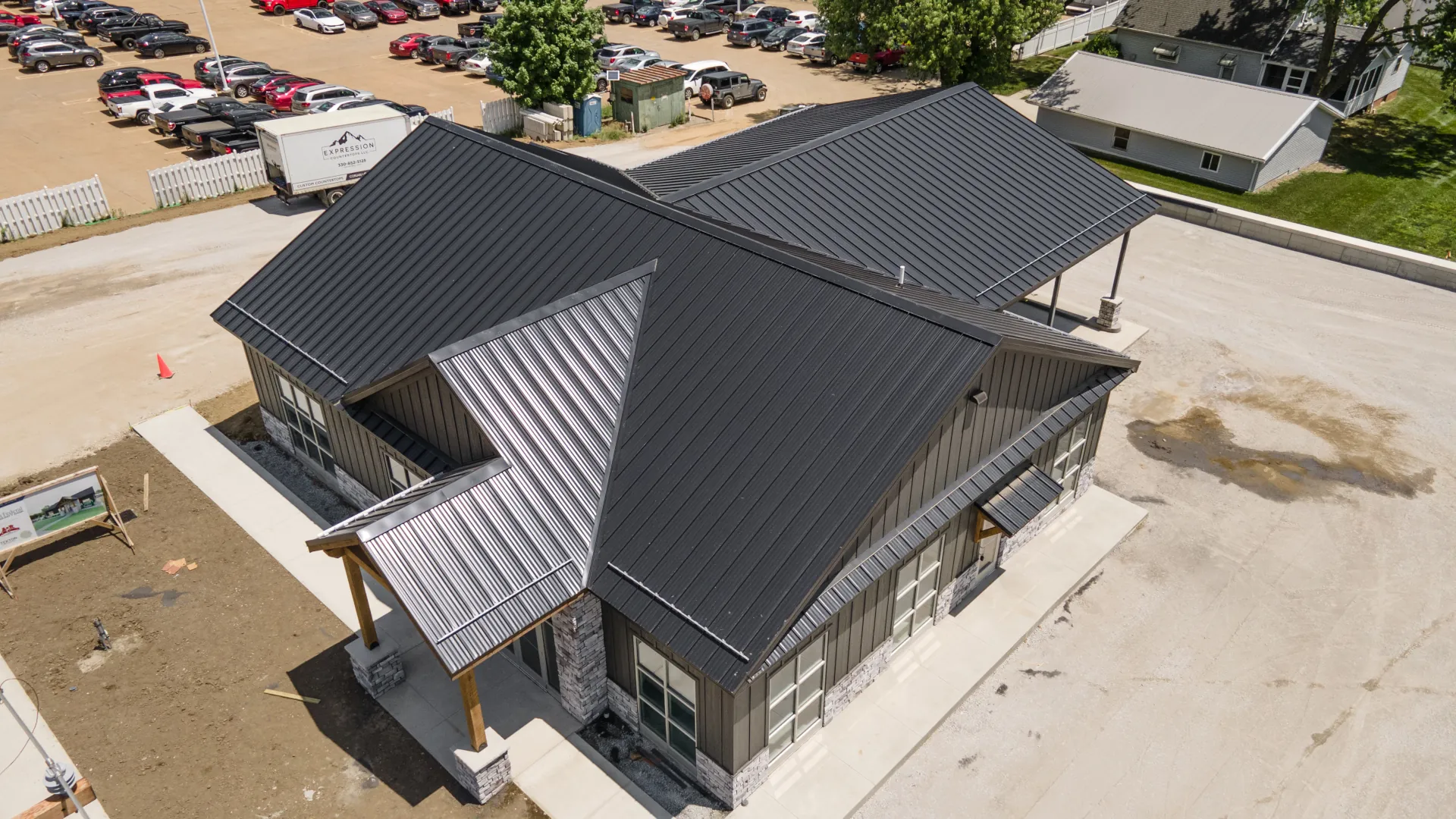
Why Metal Roofs Can Corrode
Even well protected metal roofs can corrode in certain situations, and a Glendale homeowner benefits from understanding why. Here are the reasons.
Protection Can Be Compromised
Metal roofs resist corrosion thanks to protective coatings and finishes, but corrosion can develop where that protection is compromised, exposing the metal to moisture. The protection is generally strong but not invulnerable. It can be breached. Where it fails, corrosion can start. It is the key factor. It governs corrosion risk.
Scratches and Cut Edges
Scratches that expose bare metal and cut edges where the coating does not fully cover can be spots where corrosion begins, since the metal there is more exposed. These vulnerable spots can corrode. Scratches expose metal. Cut edges are susceptible. They are common starting points. They warrant attention.
Areas Where Moisture Lingers
Spots where water and debris collect and moisture lingers, like where debris traps dampness, can promote corrosion over time, since prolonged moisture is a factor. Lingering moisture encourages corrosion. It is a contributing factor. Debris can trap it. Such spots are at risk. They warrant clearing.
Harsh Environments
Harsh environments, like coastal areas with salt air, can be more demanding on metal, where corrosion resistant materials like aluminum may be chosen. The environment affects corrosion risk. Harsh conditions are demanding. Salt air is a factor. Material choice can address it. It is a consideration.
Why It Corrodes, in Short
Metal roofs resist corrosion thanks to coatings, but corrosion can develop where the protection is compromised, like scratches exposing bare metal, cut edges, or spots where moisture lingers, and harsh environments like coastal areas are more demanding. Caught early, corrosion is treatable.
It also helps Glendale homeowners to understand both how corrosion is properly treated and when treatment gives way to replacement, because the right approach depends on how far the corrosion has progressed. When corrosion is caught early and is still surface level, with sound metal underneath, the treatment process generally involves several steps, cleaning the affected area to remove debris and dirt, removing the rust itself to get down to sound metal, treating the metal as needed to address the corrosion and prepare the surface, and then recoating or repainting the area to restore the protective finish, which seals the metal against further corrosion and matches the rest of the roof as well as possible. Done properly, this restores the area and stops the corrosion. However, if the corrosion has been allowed to progress to the point where it has actually compromised the metal, eaten through a panel or significantly weakened it, then treatment is no longer enough, because there is no way to restore metal that has been genuinely degraded, and in that case replacing the affected panel is the proper fix. This is precisely why addressing corrosion promptly matters so much, because the difference between a simple treatment and a panel replacement often comes down to how early the corrosion was caught and dealt with. A professional assessment is the right way to determine which approach is appropriate, evaluating the extent of the corrosion and the condition of the metal. And beyond treating corrosion that has already appeared, a homeowner can help prevent it by keeping the roof clear of moisture trapping debris, touching up any scratches or coating damage that expose bare metal, having the roof inspected periodically so any corrosion is caught early, and, in harsh environments, choosing corrosion resistant materials from the start.
It also helps Glendale homeowners to understand both how corrosion is properly treated and when treatment gives way to replacement, because the right approach depends on how far the corrosion has progressed. When corrosion is caught early and is still surface level, with sound metal underneath, the treatment process generally involves several steps, cleaning the affected area to remove debris and dirt, removing the rust itself to get down to sound metal, treating the metal as needed to address the corrosion and prepare the surface, and then recoating or repainting the area to restore the protective finish, which seals the metal against further corrosion and matches the rest of the roof as well as possible. Done properly, this restores the area and stops the corrosion. However, if the corrosion has been allowed to progress to the point where it has actually compromised the metal, eaten through a panel or significantly weakened it, then treatment is no longer enough, because there is no way to restore metal that has been genuinely degraded, and in that case replacing the affected panel is the proper fix. This is precisely why addressing corrosion promptly matters so much, because the difference between a simple treatment and a panel replacement often comes down to how early the corrosion was caught and dealt with. A professional assessment is the right way to determine which approach is appropriate, evaluating the extent of the corrosion and the condition of the metal. And beyond treating corrosion that has already appeared, a homeowner can help prevent it by keeping the roof clear of moisture trapping debris, touching up any scratches or coating damage that expose bare metal, having the roof inspected periodically so any corrosion is caught early, and, in harsh environments, choosing corrosion resistant materials from the start.
It also helps Glendale homeowners to understand both how corrosion is properly treated and when treatment gives way to replacement, because the right approach depends on how far the corrosion has progressed. When corrosion is caught early and is still surface level, with sound metal underneath, the treatment process generally involves several steps, cleaning the affected area to remove debris and dirt, removing the rust itself to get down to sound metal, treating the metal as needed to address the corrosion and prepare the surface, and then recoating or repainting the area to restore the protective finish, which seals the metal against further corrosion and matches the rest of the roof as well as possible. Done properly, this restores the area and stops the corrosion. However, if the corrosion has been allowed to progress to the point where it has actually compromised the metal, eaten through a panel or significantly weakened it, then treatment is no longer enough, because there is no way to restore metal that has been genuinely degraded, and in that case replacing the affected panel is the proper fix. This is precisely why addressing corrosion promptly matters so much, because the difference between a simple treatment and a panel replacement often comes down to how early the corrosion was caught and dealt with. A professional assessment is the right way to determine which approach is appropriate, evaluating the extent of the corrosion and the condition of the metal. And beyond treating corrosion that has already appeared, a homeowner can help prevent it by keeping the roof clear of moisture trapping debris, touching up any scratches or coating damage that expose bare metal, having the roof inspected periodically so any corrosion is caught early, and, in harsh environments, choosing corrosion resistant materials from the start.
Get Corrosion Addressed
Glendale Metal Roofing inspects and treats metal roof corrosion across Glendale and Marion County. Call (765) 676-3491 for a free inspection to assess and address any rust or corrosion on your roof.